love weightclingy girlfriendclingy boyfriendpossessiveness
Love Weight Test — Are You the “Clingy” Partner? Your Heaviness Score + 4 Types
24 questions, 2 axes (Push ↔ Wait × Possess ↔ Devote): how heavy your love lands on your partner. Four types plus a Love Weight score (25–80).
The difference between love that gets called “too much” and love that feels “just right” is not the amount. It is the gap between what you give and what your partner can hold. This test looks at how heavy your love lands, along two axes. One: when you feel insecure, do you push with action, or wait quietly and let expectations pile up? Two: do you want your partner’s time and attention pointed at you, or do you pour yourself out for them? Of the 24 questions, 18 decide your type and 6 produce your Love Weight score. Heaviness is not a flaw — only the mismatch is. We wrote the whole thing, including where to land, with that in mind.
5 min · 24 Q
What this diagnosis reveals
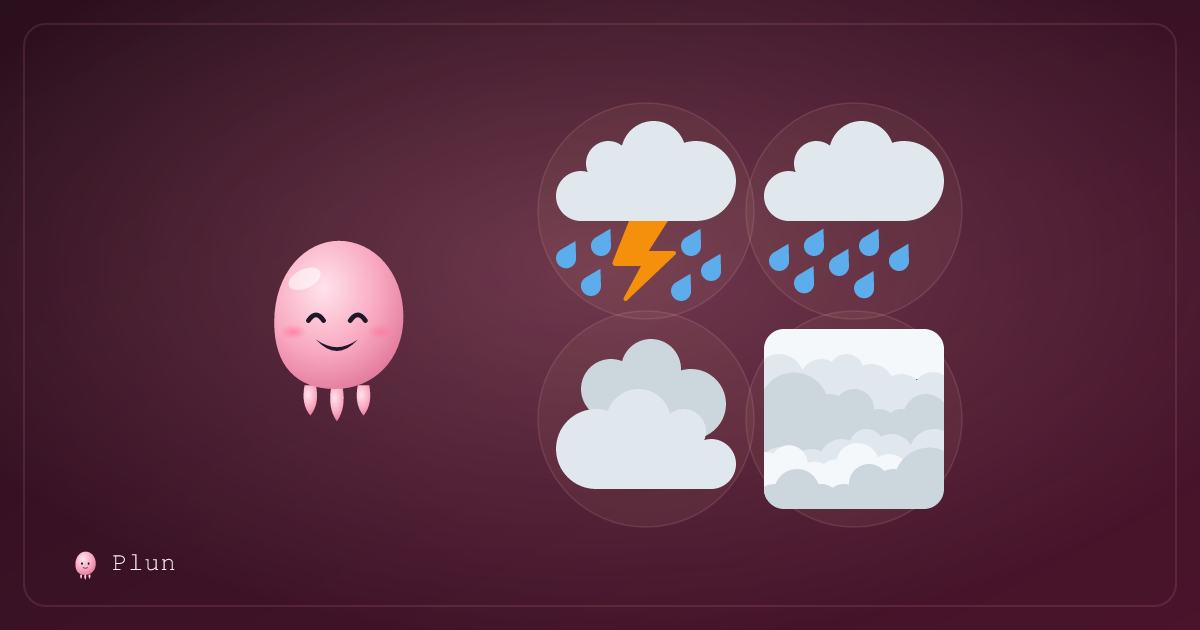
 ⛈️ The Storm (Forward & Possessive) Push × Possess | Love that comes straight at you
 🌧️ The Steady Rain (Forward & Devoted) Push × Devote | Giving, checking, never stopping
 ☁️ The Low Pressure (Silent & Possessive) Wait × Possess | Nothing said, and the air in the room gets heavy
 🌫️ The Fog (Quiet & Devoted) Wait × Devote | Giving in silence, waiting to be noticed
Frequently asked questions
What are the signs of a clingy girlfriend?
The five that come up most: needing a certain texting frequency from your partner, visibly tensing up when replies are slow, weighing in on who they spend time with, pushing for anniversaries and future talk early on, and doing things nobody asked for while expecting something back. But “heaviness” is not a personality trait — it is set by the gap between your expectations and theirs. The same behavior is not heavy at all with a partner who wants the same frequency.
Why do people say my love is too much?
Almost always it is not the amount of love but the mismatch with your partner’s capacity to receive it. Psychologically, high fear of abandonment drives checking behaviors — texts, questions, locking in the next date — and the partner starts to feel watched. Expecting things without saying them and then showing displeasure (“asymmetric expectations”) lands heavy too. If you have been told you are too much, putting your expectations into words works better than cutting back.
What is a clingy boyfriend?
Usually a stack of behaviors: rushing replies, wanting to know her schedule and friends, checking “am I your number one?”, and expecting a return on everything he does, shown through moods rather than words. It tends to surface as jealousy and control, but underneath it is a question of how a person builds a sense of security — and that part does not differ by gender.
Is loving too hard a bad thing?
No. Heaviness is the volume of your expression, and it is the flip side of honesty and devotion. It only becomes a problem when it exceeds what your partner wants. The same weight feels just right with someone who wants the same frequency. This test gives your heaviness a number, but a high number does not mean “fix it” — use it as a way to measure the gap between you and your partner.
How do I stop being clingy?
Three things work. 1) The moment you want to check in, write a note to yourself instead of texting them — it cuts checking behavior in half. 2) Say your expectations in one sentence instead of hoping they will be noticed. 3) Drop one unrequested act of service and add one request. None of these shrink your love; they reshape it into something your partner can receive. The paid section lays out these steps for your specific type.
More diagnoses



Love Weight Test — Are You the “Clingy” Partner? Your Heaviness Score + 4 Types