attachment styleavoidant attachmentanxious attachmentboyfriend
Partner Attachment Style Quiz: Is Your Boyfriend Avoidant, Anxious or Secure?
22 questions, 2 axes. Reply habits, fights, alone time, jealousy, talk of the future: read your partner's or crush's attachment style from what you've seen.
"Why won't they text back?" "Why are they so anxious all the time?" Behavior that makes no sense usually follows one thread, and that thread is attachment style. Attachment theory reads how a person relates to the people closest to them along two axes: (1) abandonment anxiety (do they cling, or can they stay calm?) and (2) avoidance of intimacy (do they pull away, or move closer?). This quiz is not about you. It is about them. Replies, the aftermath of a fight, alone time, jealousy, talk of the future, what they do when you cry: just pick the 22 behaviors you've actually watched happen. You'll see what they're really feeling underneath, and how you can move so the relationship gets easier.
4 min · 22 Q
What this diagnosis reveals
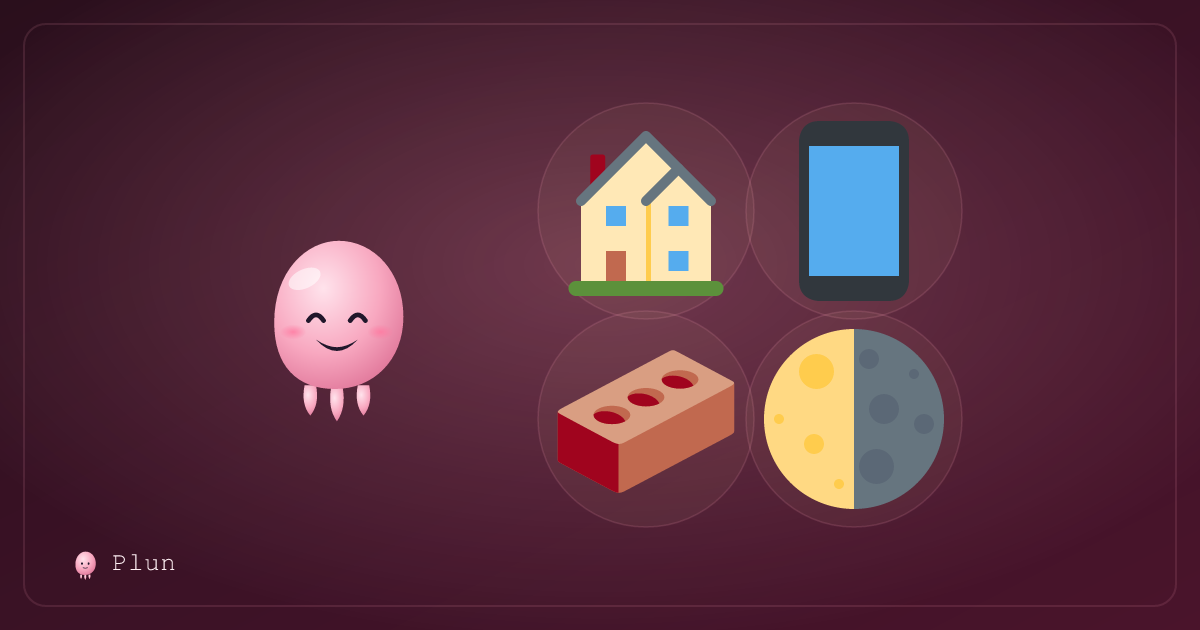
 🏠 The Calm Secure Partner Doesn't cling, doesn't run. Someone who moves from trust in the relationship
 📱 The Chasing Anxious Partner Needs to check, needs to stay connected. Someone who is afraid of distance
 🧱 The Walled-Off Avoidant Partner Pulls back when you get close. Shows no weakness. Someone who stands alone
 🌗 The Come-Close-Then-Run Fearful-Avoidant Partner Wants to be loved, but being loved is frightening. Someone who runs hot and cold in turns
Frequently asked questions
What are the signs of an avoidant boyfriend or partner?
An avoidant partner pulls back as intimacy deepens. Typical signs: they text rarely and reply flatly, go silent after a fight instead of talking it through, guard their alone time fiercely, dodge talk of the future, almost never show a weakness or a worry, and brush off affection or touch not with shyness but with visible discomfort. It isn't coldness. At the root, they simply never learned to lean on someone or be leaned on.
How can I tell my partner's attachment style?
The most reliable read comes not from the sweet moments but from how they act under stress. When your reply is late, do they chase or let it go? After a fight, do they come after you or disappear? When you cry, do they hold you or freeze? When you raise the future, do they engage or deflect? Combine the strength of their abandonment anxiety (clinging) with their avoidance of intimacy (distancing), and one of four styles emerges: secure, anxious, avoidant or fearful-avoidant.
How do you make a relationship work with an avoidant partner?
The keys are not chasing and becoming predictable. When they pull away, stacking up messages or demanding an explanation pushes them further off. When they learn your mood is steady and they won't be punished for coming back, they edge closer bit by bit. Two things work especially well: phrase requests as concrete actions rather than feelings ("I'd like a call once a week" beats "I'm lonely"), and fill your own life instead of encroaching on their alone time.
What calms an anxious partner down?
Consistent behavior calms an anxious partner more than passionate words. When your reply speed or how often you meet swings from day to day, they read the difference as danger. Set a sustainable, predictable rhythm (a goodnight text, one plan a week) and keep it. Before you go quiet, say when you'll be back. When they voice anxiety, don't argue with logic; first say "I hear that you felt that way." Stack these up and the checking visibly fades.
Can my partner's attachment style change?
Yes. Attachment style isn't an inborn personality trait but a pattern learned from past relationships, and research shows people move toward security inside a relationship that feels safe (it's called "earned security"). But you cannot fix them. Change happens only when they keep experiencing safety for themselves. Your job is to judge whether this relationship can offer that safety, and to keep going only within the limits of what doesn't drain you.
More diagnoses



Partner Attachment Style Quiz: Is Your Boyfriend Avoidant, Anxious or Secure?